The 4.5 That Didn’t Crush Him
We held a small tournament recently, and some of our younger students served as judges. One of our strongest students, a high-level CIT in our Certified Instructor Training program, performed and received a score: 4.5 out of 9.9. From a peer. For a lot of kids, that number would feel crushing. Hurt feelings, embarrassment, maybe a quiet ride home. Not this student. He knew how well he had performed, and he knew exactly where he needed to improve. So the score did not get to decide anything about him. That’s what maturity looks like: you can hear a critical opinion without letting it decide your self-worth, right?
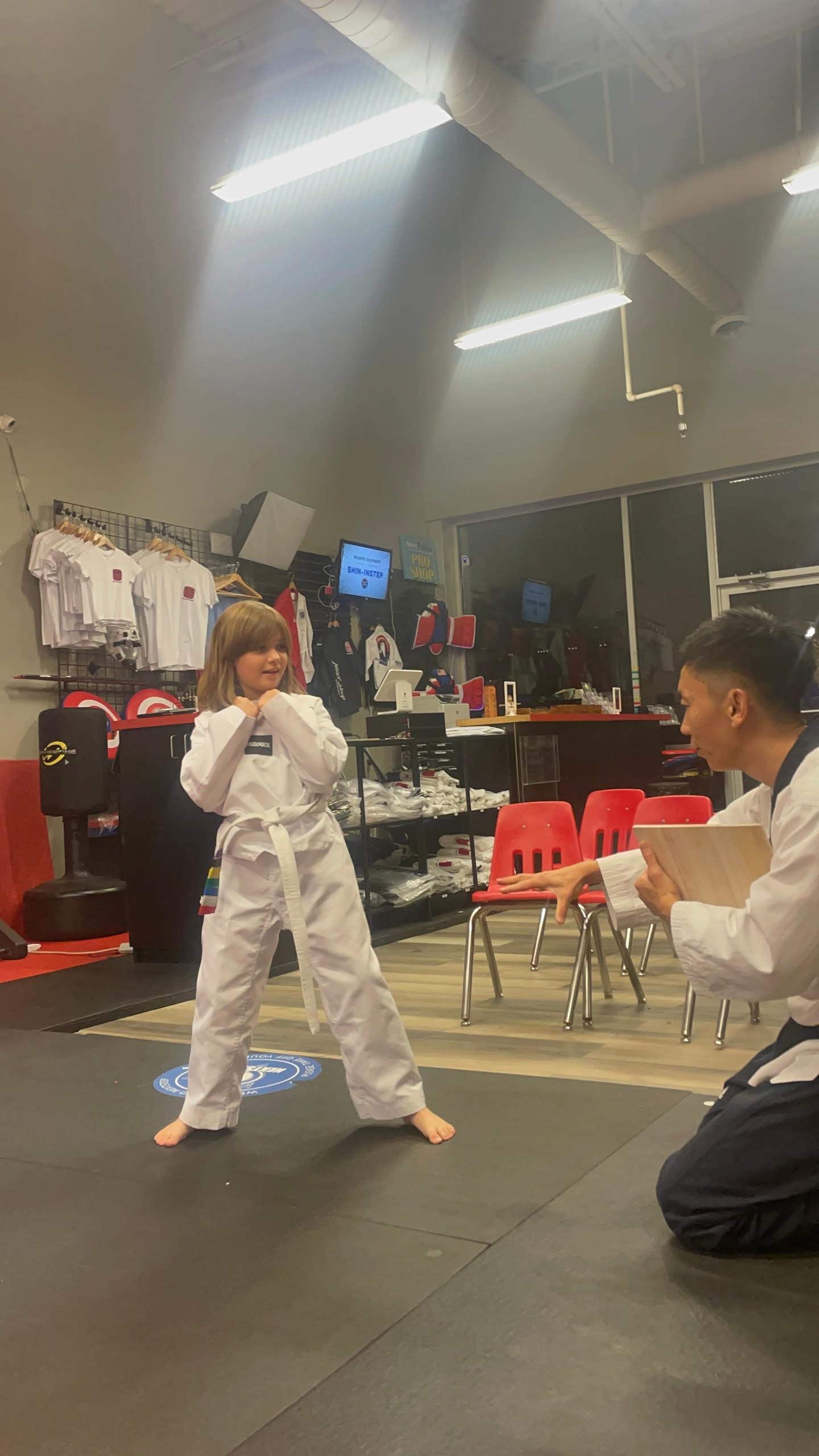
I was talking with our CITs about that moment because it shows something every family in our school eventually runs into: feedback changes as the student grows.
When Feedback Becomes Professional
With younger students and beginners, we lead with encouragement. We should. We are building confidence, helping them find their footing, and giving them a safe place to try, fail, and try again. That is exactly right for that stage.
But as students climb the ranks and step into leadership, the expectations climb with them. We used to wait until black belt to make that change. Then we would start talking about employment and real responsibility, and the change could feel like a flipped switch. One day it is all praise. The next day there are standards to meet, and the student is wondering what they did wrong and whether we even like them anymore.
We do. That was never the question. What changed is the relationship. With our older students and CITs, I am still very personable, but we are not friends in the way they might expect. I am not hanging out with them or their families. And I am not yelling at anyone, either. It is a job now, with a job’s standards. If they are going to lead and set an example, feedback has to be about what they do, not who they are. It is a tool for growth, not a judgment of their character. That’s what it is.
Why This Matters for Your Child
We now start that transition earlier than we used to. Deliberately. We do not want students to run into it all at once and get burned. Learning to take constructive criticism, evaluate yourself honestly, and measure your performance against an objective standard is one of the most valuable life skills a child can carry out of the dojang. The kicks and the poomsae are how we teach it. What we are really building is a confident, resilient person who knows their own worth and is not blown sideways by every opinion.
So when your child comes home with feedback that felt tough — a correction, a score, or a standard they did not quite meet — remember the distinction. It is rarely personal. It is almost always about performance: pushing them to the next level and asking them for bigger things. How you frame it at home matters a lot. Help them see it as a map for improvement, not a verdict on who they are.
And picture where it leads: a thirteen-year-old confidently instructing a group, showing leadership nobody saw coming, making us — and you — proud. That kind of moment does not appear out of nowhere. At the end of the day, it is built through the daily work, the corrections, and the roadblocks. Those moments are what we are always working toward at NEXTStep Martial Arts.
What You Can Do at Home
Keep praising effort. That never stops. But gently help your child see tough feedback as a gift — a chance to sharpen their skills and step into the next level. Here is the question at the heart of it: if they honestly know how well or how badly they did, why should someone else’s low score hurt? If it does, then they are letting other people dictate their feelings, and their own opinion of themselves is not getting a vote. If that makes sense.
Our goal is to raise young people who are self-aware, open to improvement, and secure enough in who they are that a score or a critique does not define them. It only points the way forward. The next time your child mentions a hard moment in class, try asking, “What did it show you?” before asking, “Are you okay?” You might be surprised by how much they already understand. Keep the fire going. That’s what it is.
See It In Action
Everything we write about, we practice daily. Come see the difference in person with a free intro class.
Schedule Your Free Intro ClassNo obligation, just opportunity
